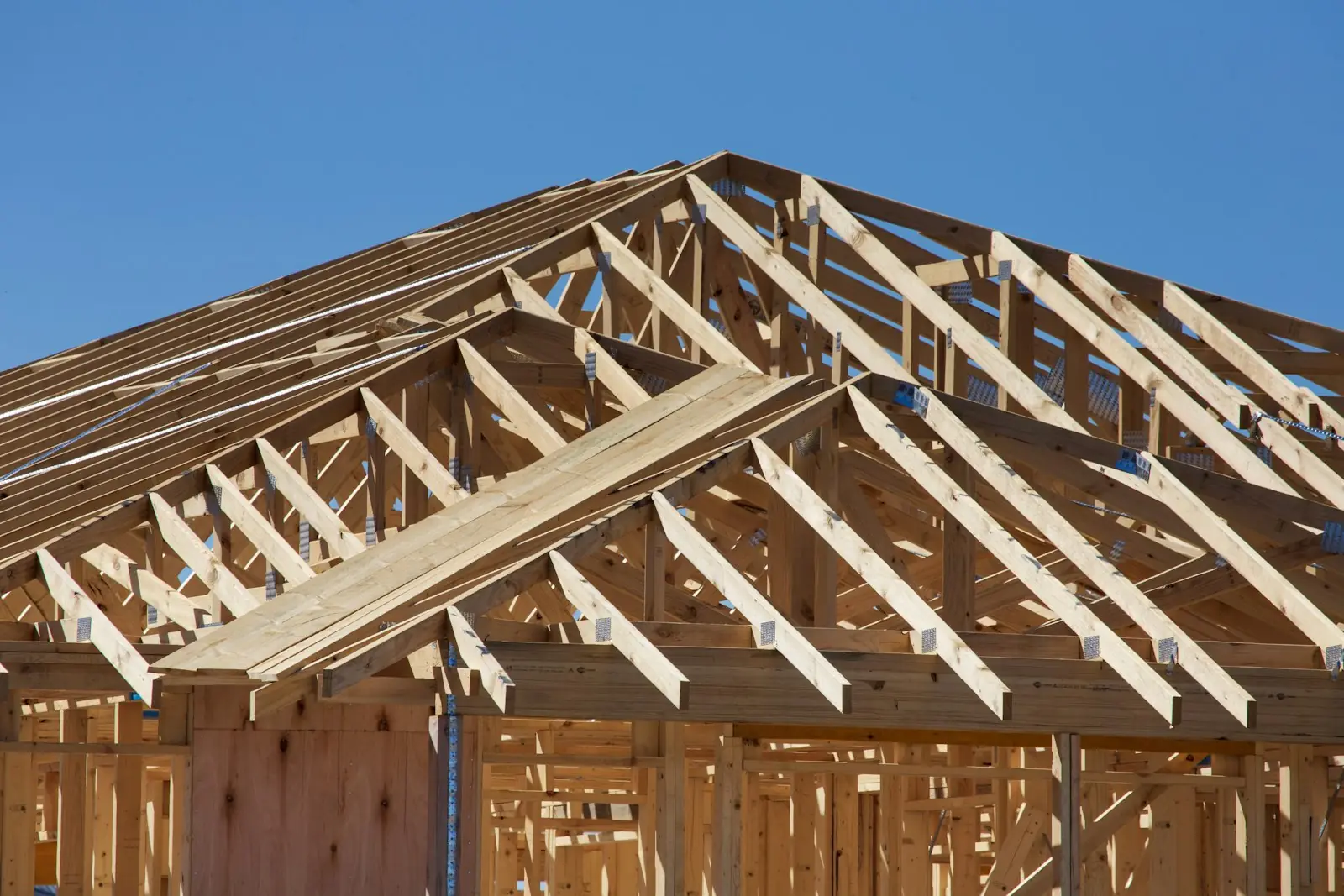
- CDC: a yes/no checklist. Meet every standard in the Codes SEPP and a certifier or council must approve. As little as 20 days.
- DA: a merit assessment by council. Slower (the NSW average is 70 to 84 days), but council can approve a design that doesn't meet a standard.
- Miss one CDC standard by 10 cm and you can't get a CDC. You either fix the design or go to a DA.
The two pathways in one picture
Think of a CDC like a driving test with a printed checklist. If you hit every item, you pass. The examiner can't fail you for style, and can't pass you if you mount the kerb, even slightly.
A DA is more like a job interview. The council looks at the whole picture: how the house fits the street, privacy, overshadowing, what the neighbours say. It can say yes to something unusual. It can also say no to something that technically ticks every box in its local rules.
| Complying development (CDC) | Development application (DA) | |
|---|---|---|
| How it's decided | Pass/fail against fixed numbers in the Codes SEPP | Merit assessment against the council's LEP, DCP and other plans |
| Who decides | A registered private certifier or the council | The council (or a planning panel for bigger projects) |
| Typical time | As little as 20 days (10 days for Pattern Book designs) | 70 days on the department's figures; 84 days state average in 2025–26 |
| Can a standard be bent? | No. One miss means no CDC (a variation pathway is proposed, not yet law) | Yes, if council agrees the departure is justified |
| Neighbours | Told in advance, but can't lodge an objection | Can make a submission that council must consider |
| What you get | Planning and building approval in one certificate | Development consent, then a separate construction certificate |
Why most new houses now go CDC
The department's own figures show how dominant the fast lane has become. In 2024–25, about 45% of all NSW planning approvals were complying development, and about 63% of new houses, medium-density homes and granny flats were approved by CDC rather than DA.
The reason is mostly time and money. The department says complying development can save up to $15,000 when building a house, mainly through holding costs and faster starts.
When you have no choice
Sometimes the decision is made for you. You must go to a DA if any of these apply:
- Your land is excluded from complying development. For example: a heritage item, an environmentally sensitive area, a foreshore area, or bushfire-prone land rated BAL-40 or BAL-FZ. See our land exclusions checklist.
- Your design misses a standard and you don't want to change it. Height, setbacks and landscaped area are the usual culprits. See why CDC plans fail.
- Your type of building isn't covered by any code in the Codes SEPP.
- The work is already done. A CDC can't approve work that has already been built. See lessons from the court cases.
How to decide, step by step
- Get a planning certificate for your land. Your council issues it. It says whether complying development can be carried out on your lot under each code.
- Check your design against the numbers. Building height, storeys, setbacks to each boundary and landscaped area are where most designs fall over. Our free quick check does this in a minute.
- If it passes, talk to a certifier. They check everything else as well: BASIX, the Building Code of Australia, and standards the quick check doesn't cover.
- If it fails, price both options. Redesigning to fit (losing a bit of floor area, moving a wall) is often cheaper than 60+ extra days in a DA. Sometimes it isn't, especially if the "fail" is what makes the design work for you.
Common questions
Is a CDC cheaper than a DA?
Usually, mostly because it's faster. Certifier fees vary, so get quotes. The big saving is time: interest, rent and builder availability.
Can my neighbours stop a CDC?
Not by objecting. They must be notified, but the certifier decides only on whether the standards are met. See your neighbour is building under a CDC.
Can I start with a CDC and switch to a DA?
Yes. If your certifier finds a standard you can't meet, you can withdraw and lodge a DA instead. Working that out before you lodge saves the most time.
Check your design in a minute
Enter your lot size and building dimensions. The free quick check tests height, storeys, setbacks and landscaped area against the Housing Code, clause by clause. No account needed.
Sources
- NSW Department of Planning, Housing and Infrastructure, Complying development (CDC in as little as 20 days; average DA determination 70 days; savings of up to $15,000 for a new house).
- The Urban Developer, NSW council league table 2025–26 (state average DA determination time of 84 days).
- NSW Planning Portal, What to tell your neighbours.
- SN Architects, Close enough to complying, summarising the department's May 2026 Explanation of Intended Effect (45% of approvals and 63% of new homes by CDC in 2024–25; 60+ days added when a project moves to a DA).
- Shoalhaven City Council, Complying development (land exclusions).
- State Environmental Planning Policy (Exempt and Complying Development Codes) 2008.
General information only, current at 9 October 2026. It is not legal, planning or certifier advice. Confirm with a registered certifier or your council.