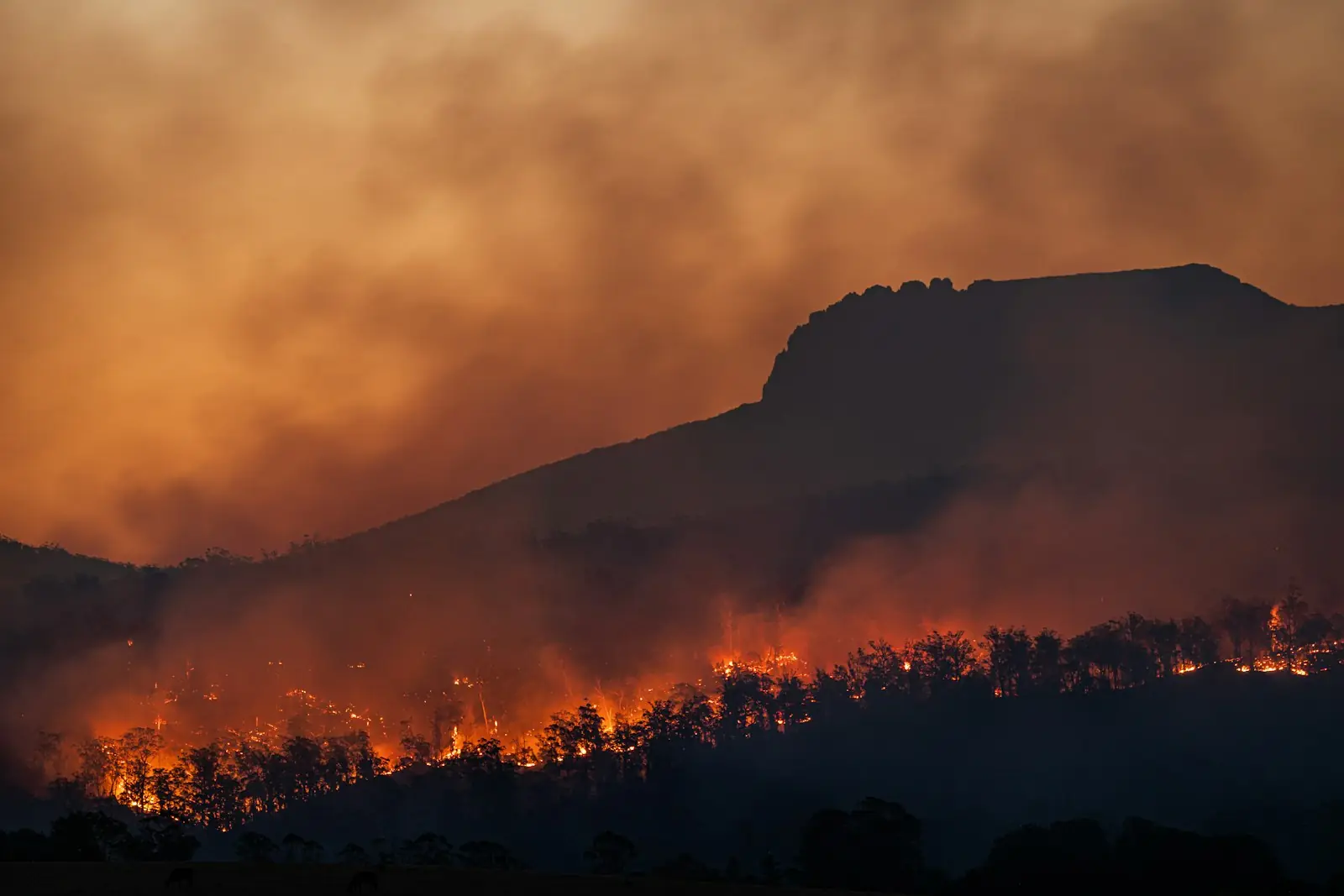
- Complying development can't be carried out on: heritage items, environmentally sensitive areas, foreshore areas, and bushfire-prone land rated BAL-40 or BAL-FZ (flame zone).
- There are more exclusions (critical habitat, wilderness, high aircraft noise, coastal hazard land and others), and some depend on which code you're using.
- The fastest way to find out is the planning certificate for your land from your council.
Why the land comes first
Complying development is meant for ordinary lots where a checklist is enough. Where the land carries a special risk or value, the NSW Government wants a council to look at the proposal properly through a development application (DA). That's why these lots are carved out completely: no design, however compliant, can get a CDC there.
So check the land before you pay anyone to draw plans for a CDC.
The main exclusions
| Type of land | What it means | Where to check |
|---|---|---|
| Bushfire BAL-40 or BAL-FZ | The two highest bushfire attack levels. BAL-FZ is the "flame zone", where the house could be in direct contact with flames. | Bushfire-prone land map, then a BAL assessment for your site |
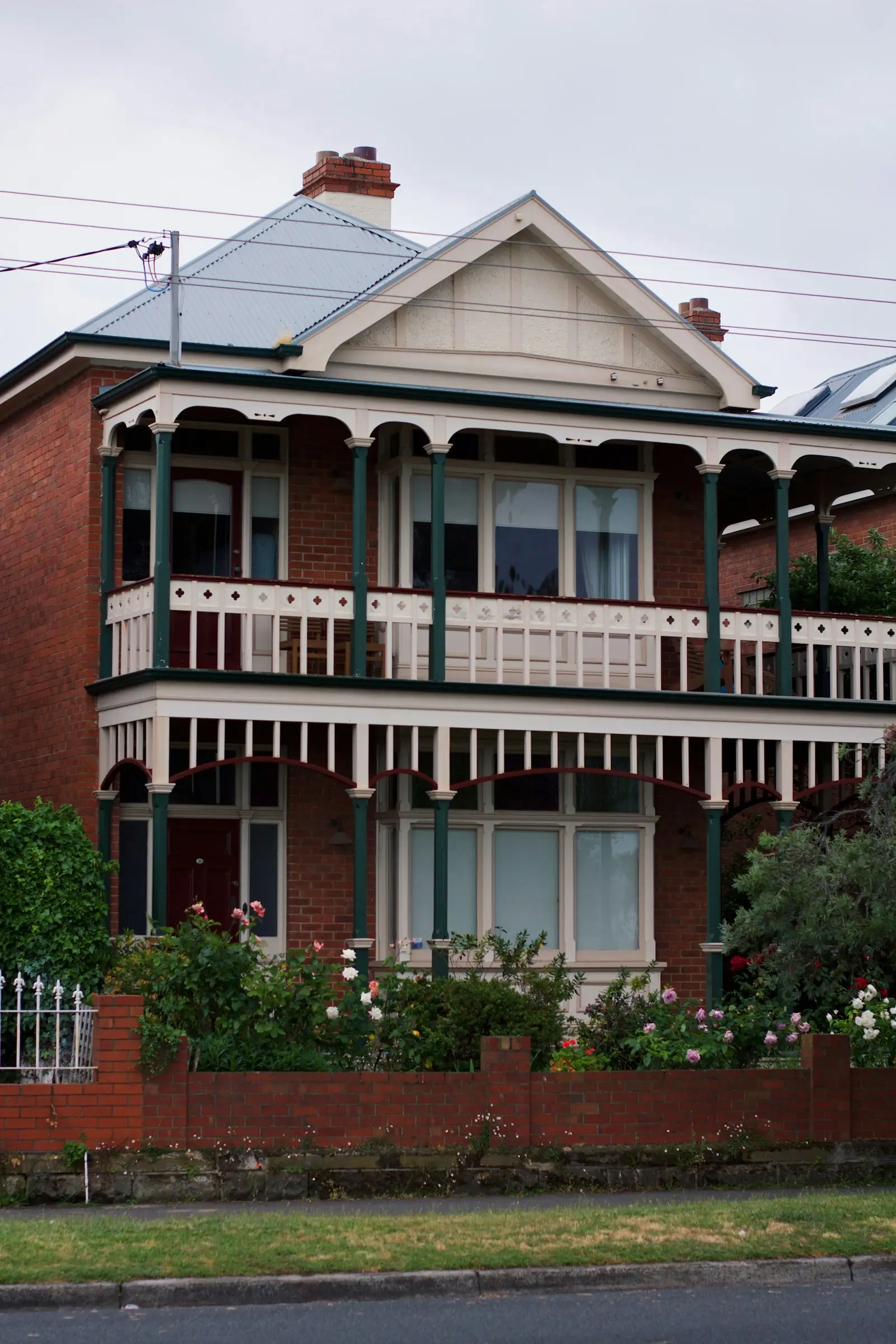
| Heritage item | The property itself is listed as a heritage item (or a draft heritage item) in the local plan or on the State Heritage Register. | Planning certificate; council LEP heritage schedule |
| Environmentally sensitive area | A defined term covering land like coastal wetlands, littoral rainforest and land reserved for conservation. | Planning certificate |
| Foreshore area | Land between the water and the foreshore building line set by council. | Planning certificate; LEP maps |
Other exclusions to know about
The Codes SEPP has a longer list. Depending on the code, complying development is also generally excluded on land such as:
- critical habitat and wilderness areas
- land in a high aircraft noise area (an ANEF contour of 25 or more)
- coastal hazard land
- class 1 or 2 acid sulfate soils and significantly contaminated land
- land listed in Schedule 5 of the Codes SEPP
Heritage conservation areas, flood control lots and bushfire-prone land rated below BAL-40 aren't automatically out. Some work is allowed there, but only with extra standards, and the rules differ between codes. The new Pattern Book pathway is stricter: it excludes all bushfire-prone land and flood control lots.
Your 4-step land check
- Order a planning certificate from your council for the lot. It states whether complying development can be carried out on the land under each code, and why not if it can't.
- Check the bushfire map. If your lot is bushfire-prone, get a BAL assessment. BAL-29 and below can still use CDC (with bushfire standards). BAL-40 and BAL-FZ can't.
- Look up heritage listings in your council's LEP and the State Heritage Register.
- Ask your certifier to confirm the land is eligible before they start the full assessment. It's the first thing they'll check anyway.
If your land is excluded
You're not stuck. It means you need a DA, where council assesses the proposal on its merits. Read CDC vs DA to see what that involves and how long it takes.
Check your design in a minute
Enter your lot size and building dimensions. The free quick check tests height, storeys, setbacks and landscaped area against the Housing Code, clause by clause. No account needed.
Sources
- Shoalhaven City Council, Complying development (heritage items, foreshore areas, environmentally sensitive areas, BAL-40 and BAL-FZ land).
- Kiama Municipal Council, Exempt and complying development.
- NSW Government Architect, Guidance for low-rise pattern book users (March 2026), list of general exclusions.
- NSW Planning Portal, Summary of EIE: Variations and changes to complying development (May 2026).
- State Environmental Planning Policy (Exempt and Complying Development Codes) 2008, cl 1.18 and 1.19 (land requirements and land exemptions).
General information only, current at 9 October 2026. It is not legal, planning or certifier advice. Confirm with a registered certifier or your council.